How to talk about the latest redistricting decision
Final Judgment and Appeals Talking Points (12/12/25)
The Legislature could have complied with Prop 4, but they didn’t. The Legislature could have appealed, but they didn’t. The Legislature has now missed the deadlines to appeal at this stage, and the Legislature has caused final judgment to be delayed by continuing to violate Prop 4.
If the Legislature thought an appeal was urgent, they could have appealed at multiple points over the last four months. All it would have taken was filing a form, and they didn’t do it. Now they must wait for final judgment, which is not appropriate at this time because Plaintiffs are entitled to fully litigate their claims, as is normal in litigation. As Plaintiffs have said at every stage of this case, the Legislature could follow the law and respect the people, and over and over, the Legislature has refused.
The Legislature missed the deadlines to appeal:
· The Legislature has spent the last four months complaining about the courts on TV and social media, holding press conferences, and promising to appeal. What they didn’t do was actually appeal, and now the deadlines to appeal at this stage of the case have passed.
· The Legislature could have appealed the August order reinstating Prop 4 and striking down the 2021 map. The deadline to appeal passed on October 6, and the Legislature did not appeal.
· The Legislature could have appealed the November order prohibiting use of Map C, striking down S.B. 1011, and implementing Map 1. The deadline to appeal passed on December 10 and the Legislature did not appeal.
· Either the Legislature made a strategic choice that they now regret, or they made an inexcusable error, but either way, this is the Legislature’s fault.
· The Legislature is represented by sophisticated lawyers (including the former solicitor general of Utah) who are paid hundreds of dollars an hour of taxpayer money. If the Legislature doesn’t like the situation they are in, they should be mad at their lawyers, not at the courts or the people.
Why there cannot be final judgment now:
· The court’s orders blocking S.B. 1011 and Map C are “preliminary.” Plaintiffs are entitled under Utah’s Rules of Civil Procedure to fully litigate these claims to develop a full evidentiary record before final judgment.
· This is the normal way that litigation works—it is the Legislature seeking special treatment, not Plaintiffs.
· This is the normal way redistricting cases are litigated. In the Alabama congressional redistricting case that went to the U.S. Supreme Court in 2023 for example, the legislature’s remedial map was preliminarily enjoined, and then the case continued in the trial court so that a full record could be developed before the final appeal.
What happens next:
· The Lieutenant Governor and the county clerks are taking the necessary steps to fully implement the new map for the 2026 elections. Utah voters will get to vote under this fair map next year.
· The case will continue in the district court so plaintiffs can complete the factual record.
· The Legislature missed the deadlines to appeal at earlier stages, so now appeal must happen following final judgment.
· The judge does not have the option of cutting short the process and entering final judgment early, as doing so would deprive Plaintiffs of their right to fully litigate their claims under the law.
· Plaintiffs will do what we have done at every stage of this case: stand up for fair maps, and for the constitutional rights of every Utah voter.
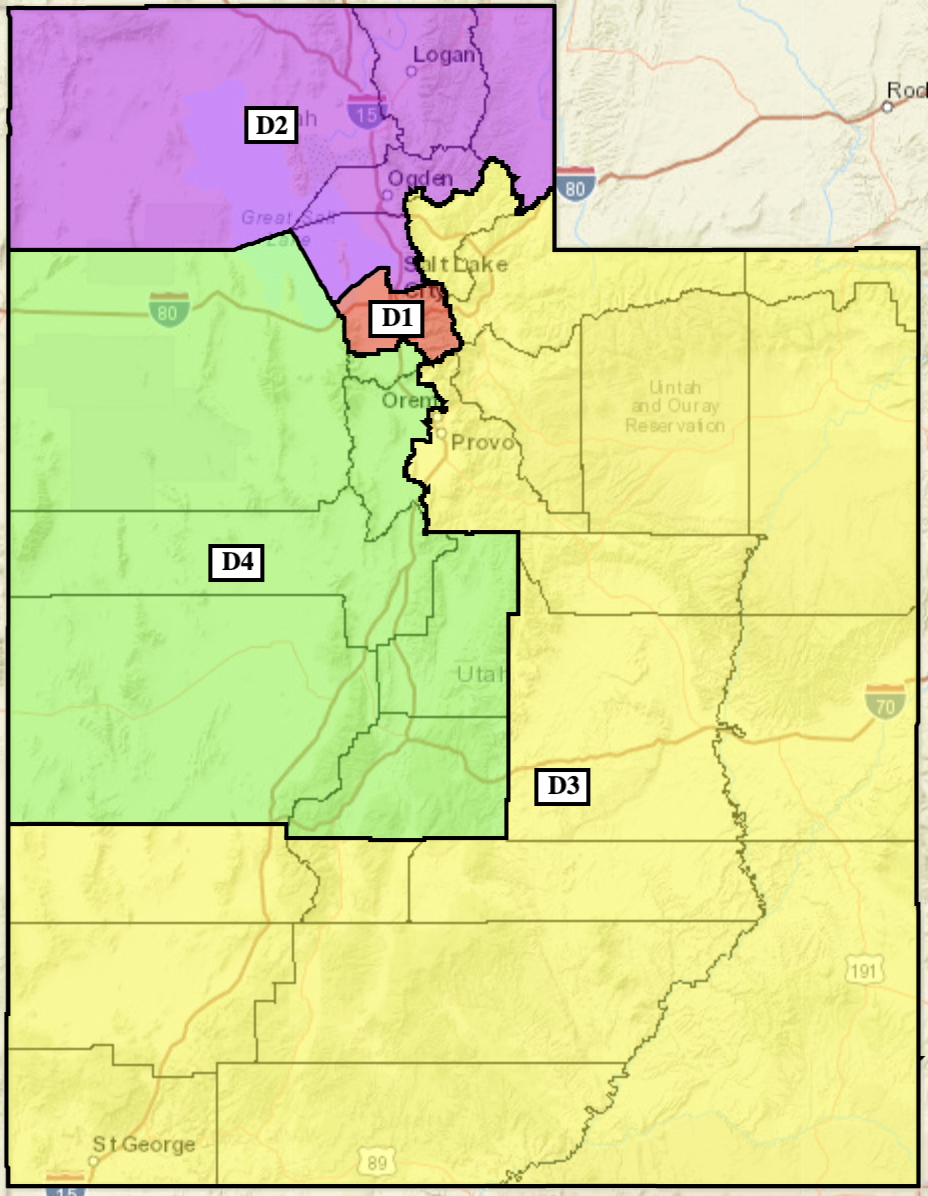
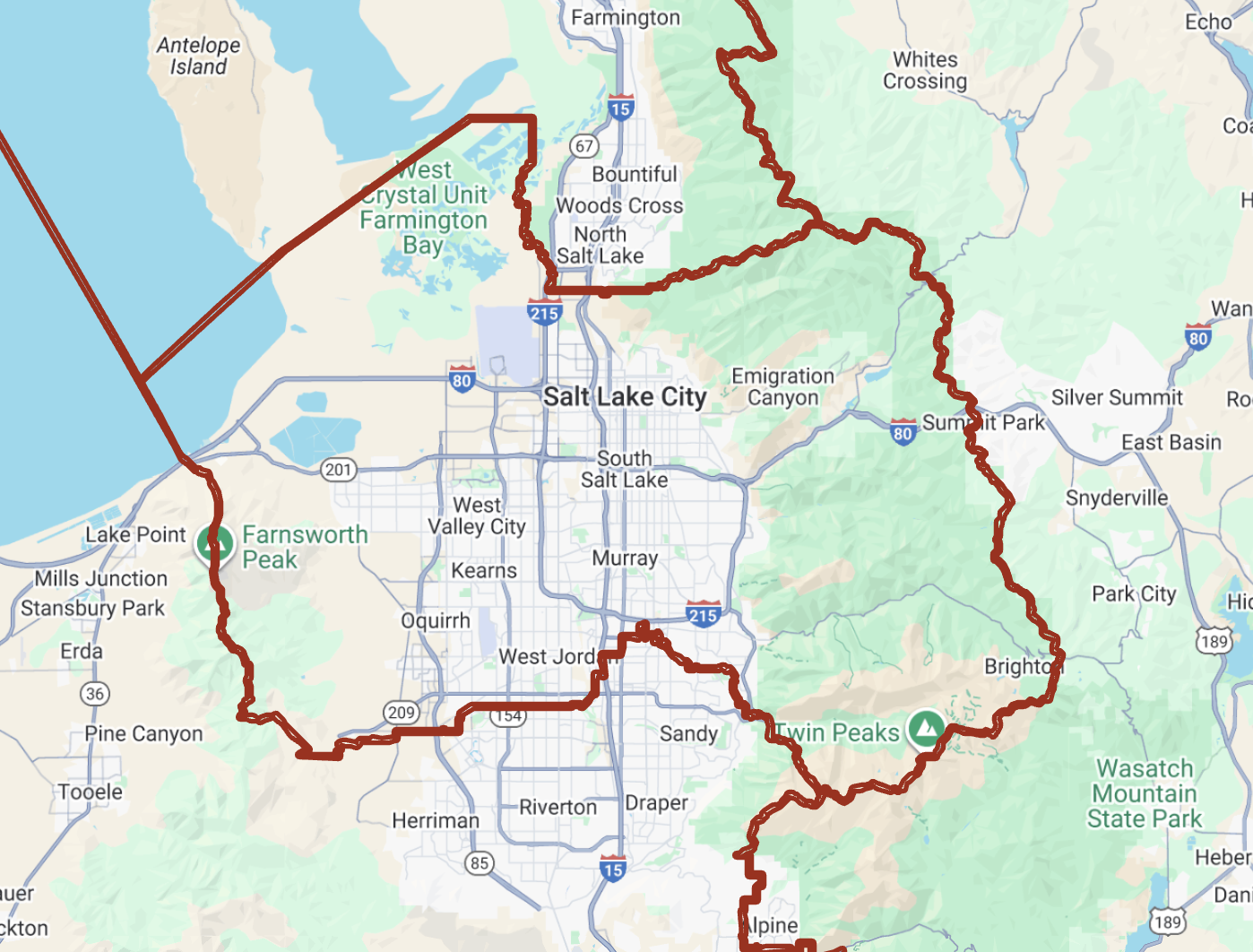
Judge Dianna Gibson chose the Plaintiffs' Map 1, saying the legislature's Map C does not comply with Proposition 4 and Map 1 better satisfies the redistricting standards and requirements contained in Proposition 4. The Court has adopted Map 1 as the remedial congressional map.